







A Growing Choice of Models
Models differ in strength across text generation, complex reasoning, multimodal work and specific business tasks, so enterprises need to choose on demand and switch flexibly.
FinAMH
Connect multiple AI models through a unified API and centrally manage model routing, usage, cost and access permissions, giving enterprise AI applications a stable model service layer.













Different models suit different tasks, but enterprises should not rebuild integration and management for every one of them. Xingzhitong provides a unified model service layer that centralizes model access, routing and governance, making multi-model applications simpler and more controllable.
Models differ in strength across text generation, complex reasoning, multimodal work and specific business tasks, so enterprises need to choose on demand and switch flexibly.

As AI moves from experimentation into daily operations, enterprises need not only the right models but also stable, continuous model services.

Model costs, access permissions, credentials and call records need centralized management to avoid fragmented administration and runaway costs.
Covering text generation, reasoning and multimodal tasks through a unified API, reducing duplicate development and model switching costs.
A natively multimodal large language model and Google's new-generation high-performance Flash model, with a focus on long-horizon coding, autonomous agents and complex enterprise workflows.
Its main strengths are across-the-board gains in complex reasoning, code development, agent execution and multimodal understanding, with support for text, image and video inputs and a 1 million token context window.
A text-and-image input reasoning model and a major upgrade to OpenAI GPT-6 Sol, aimed at complex coding, computer use and professional work, bringing high-end reasoning capability further down into more cost-efficient models.
GLM-5.3-Flash is a natively multimodal model from Z.ai, suited to efficient code development and long-horizon agent tasks.
Intelligently orchestrate resources across multiple routes and channels, switching flexibly during disruptions to keep model services continuous and large-scale usage resilient.
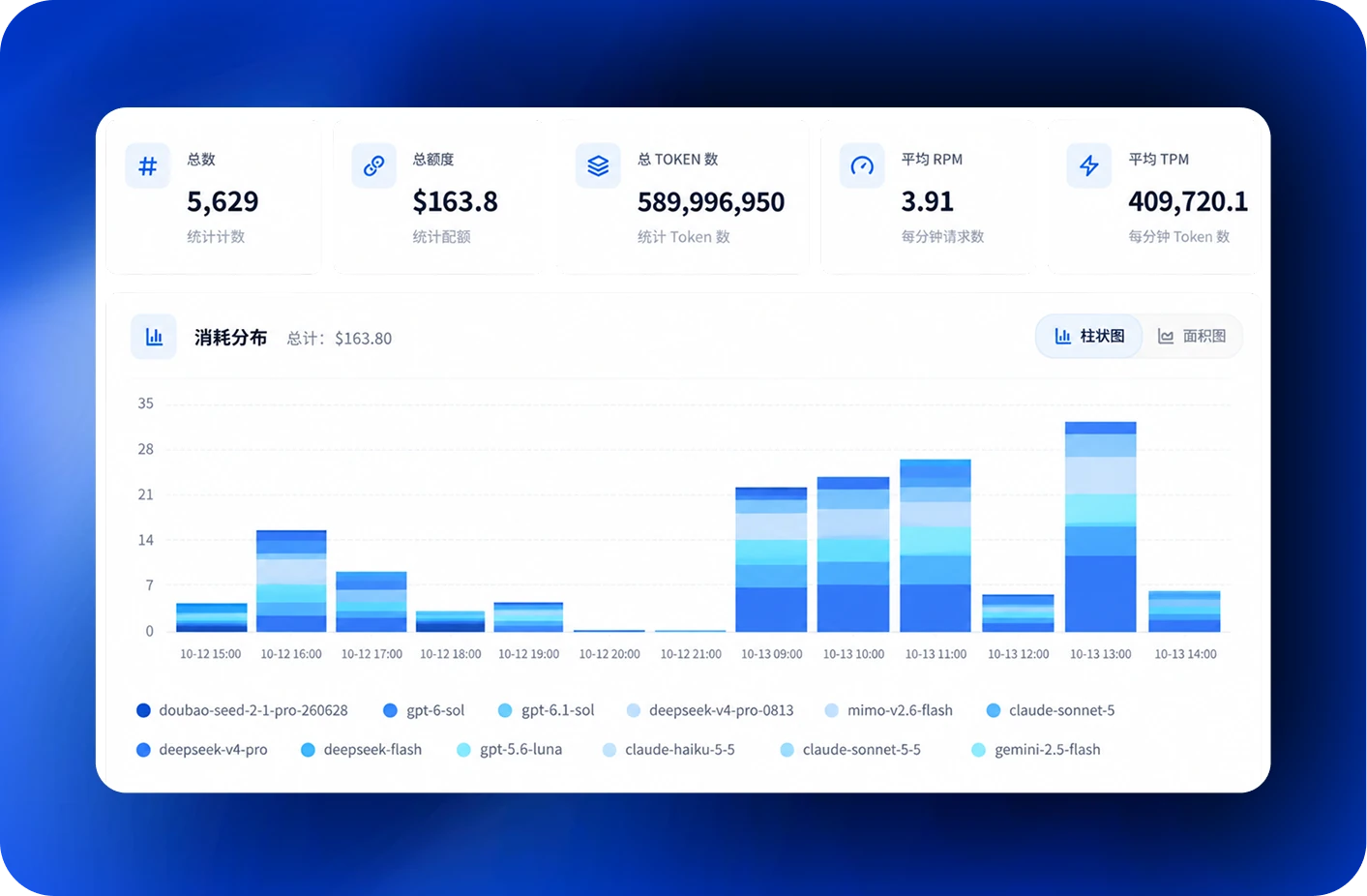
Track model calls at any time.
Set call limits and budget thresholds as needed.
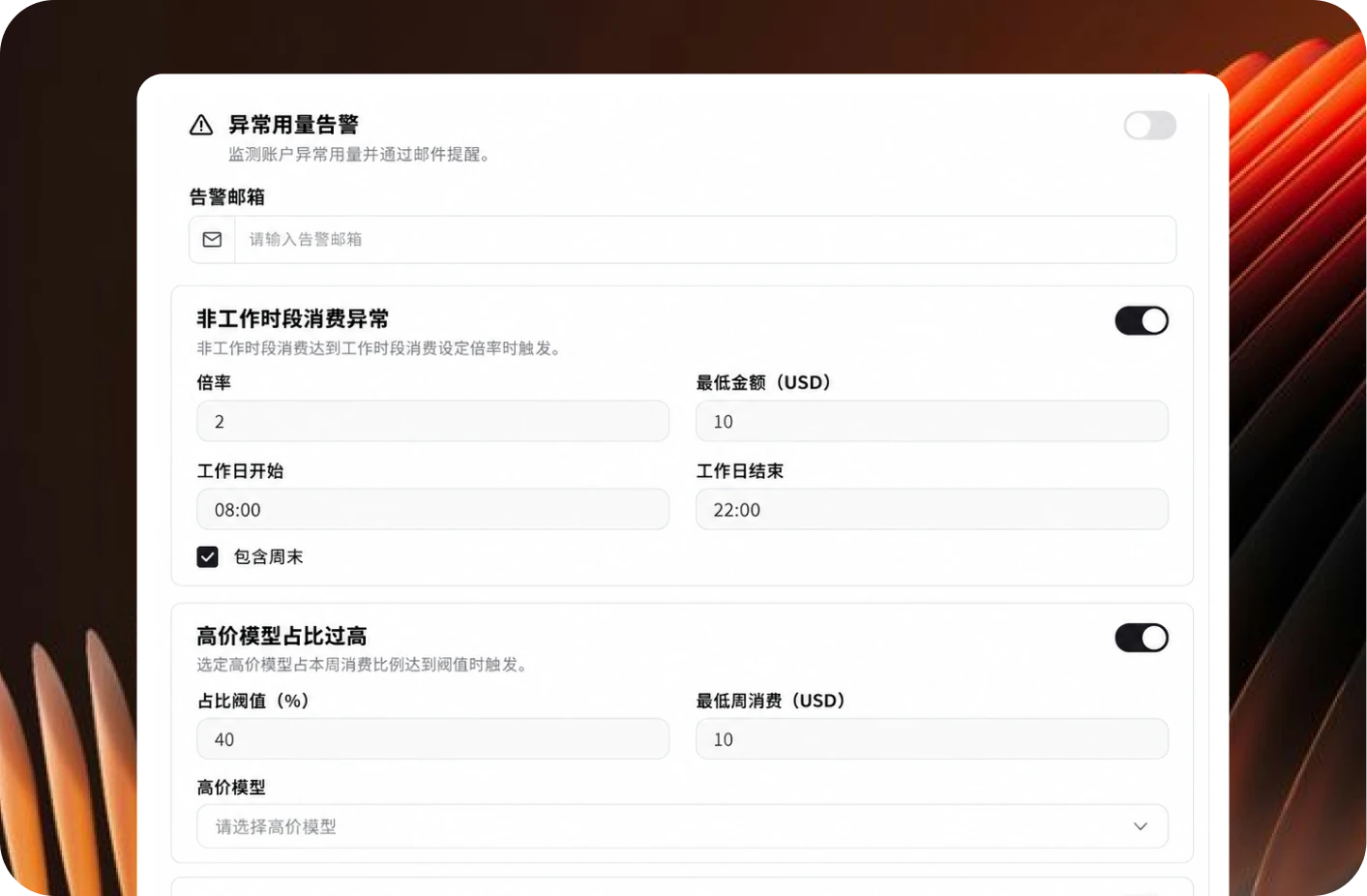
Get alerted promptly when usage looks abnormal.
Optimize call costs using model pricing, caching and routing strategies.
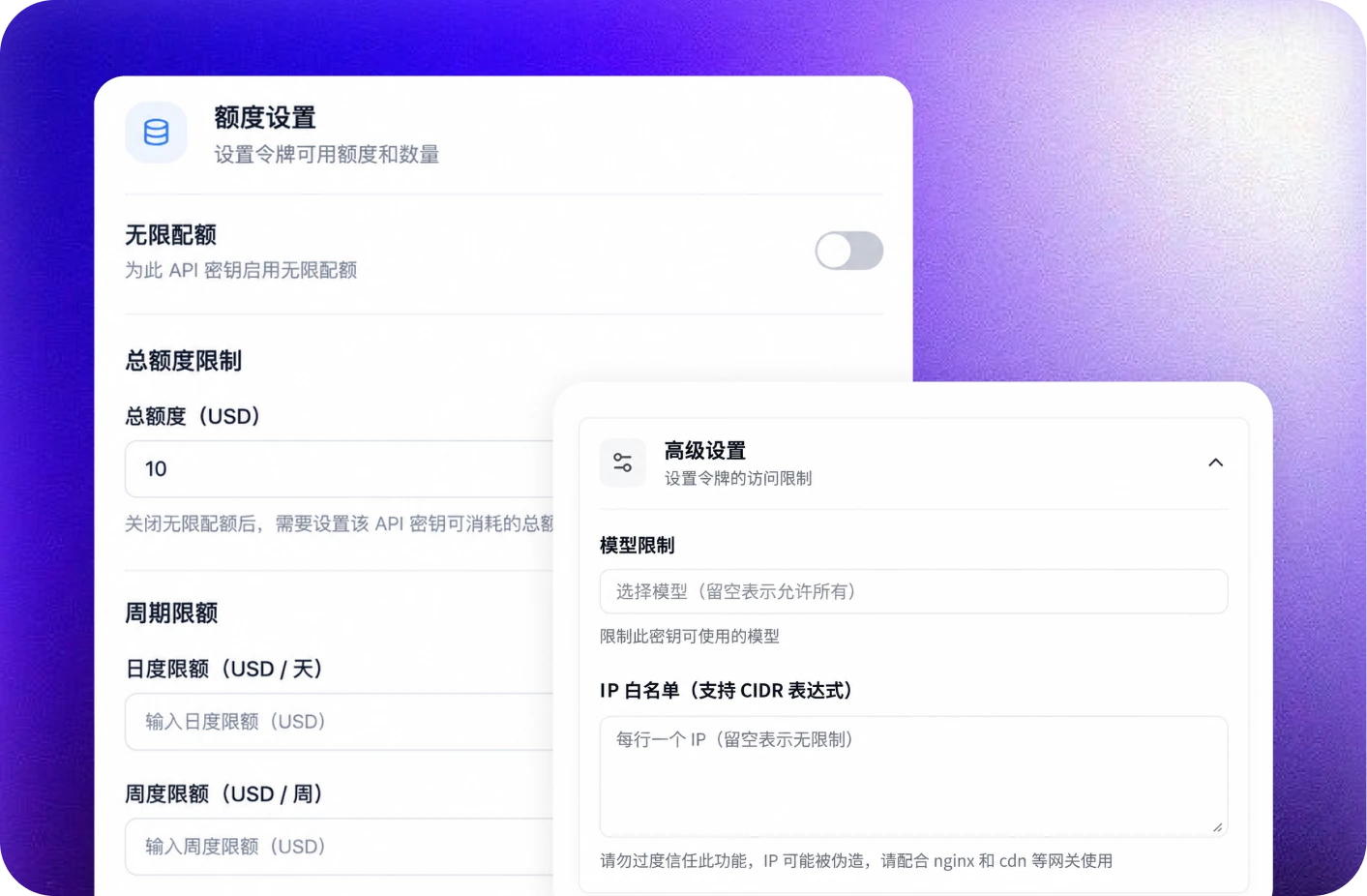
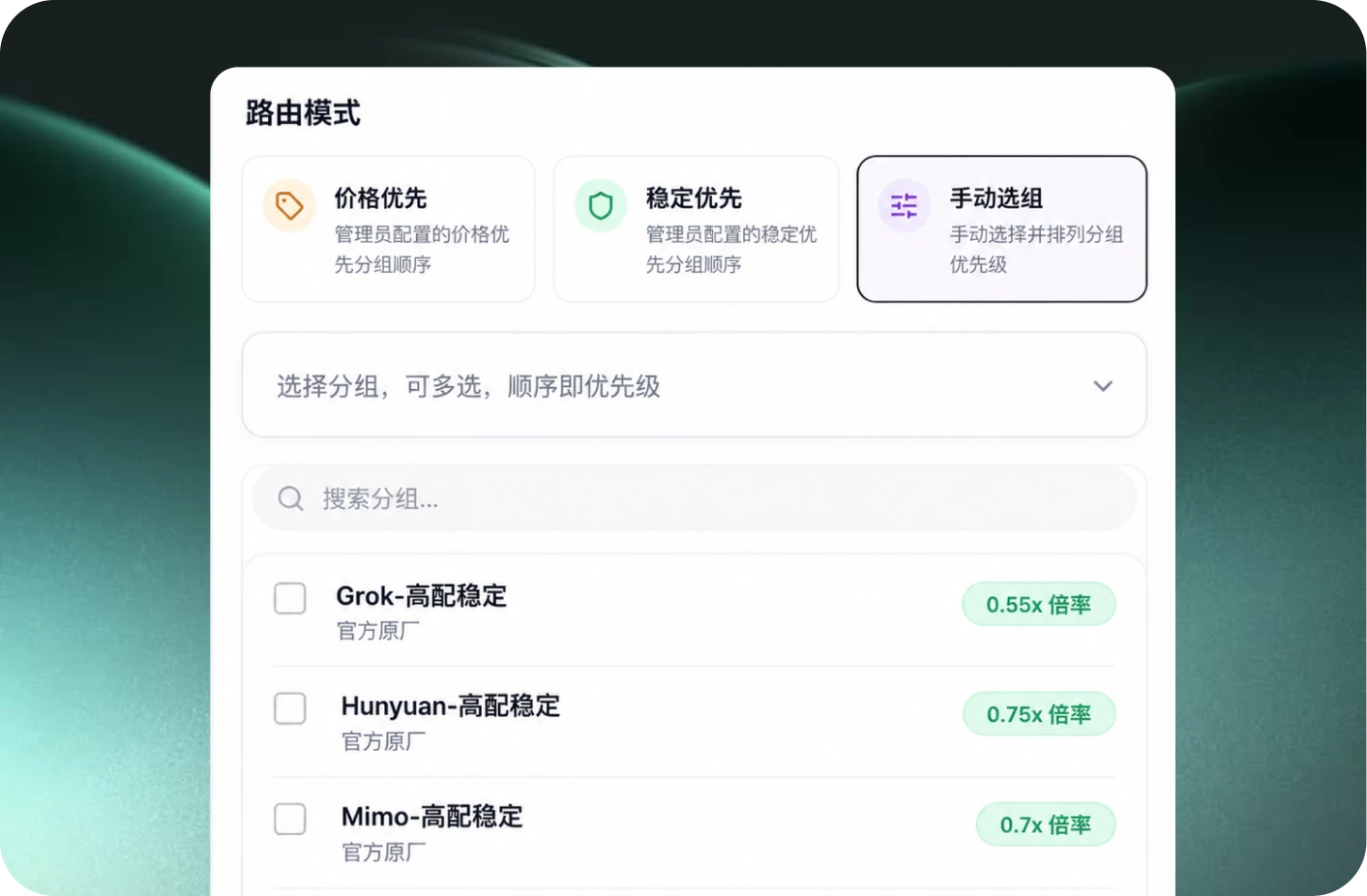
Manage quotas, access permissions and call records through a corporate account, making enterprise AI usage more controllable.




Manage access permissions on demand and control model usage.
Allocate quotas centrally and keep costs under control.
Keep team usage isolated, with clear attribution of usage and cost.
Review usage and costs in one place, with a traceable record.
High Concurrency and Automatic Load Balancing
Usage-Based Billing with Real-Time Usage Visibility
Multi-User Management and Flexible Permissions
See how enterprises connect models, manage requests and control costs through FinAMH.
Give agents, AI customer service, developer tools and other applications unified model access and management, so teams can focus on business innovation and application development.